 Phoenix Limo Biz
Grand Canyon South Rim · from Phoenix
Grand Canyon day trips from Phoenix.
A private, chauffeured day at the South Rim, picked up at your door in Phoenix, Scottsdale or Paradise Valley. Dispatch confirms a fixed price before you pay.
Areas Grand Canyon day trips
Planning a Grand Canyon day trip from Phoenix.
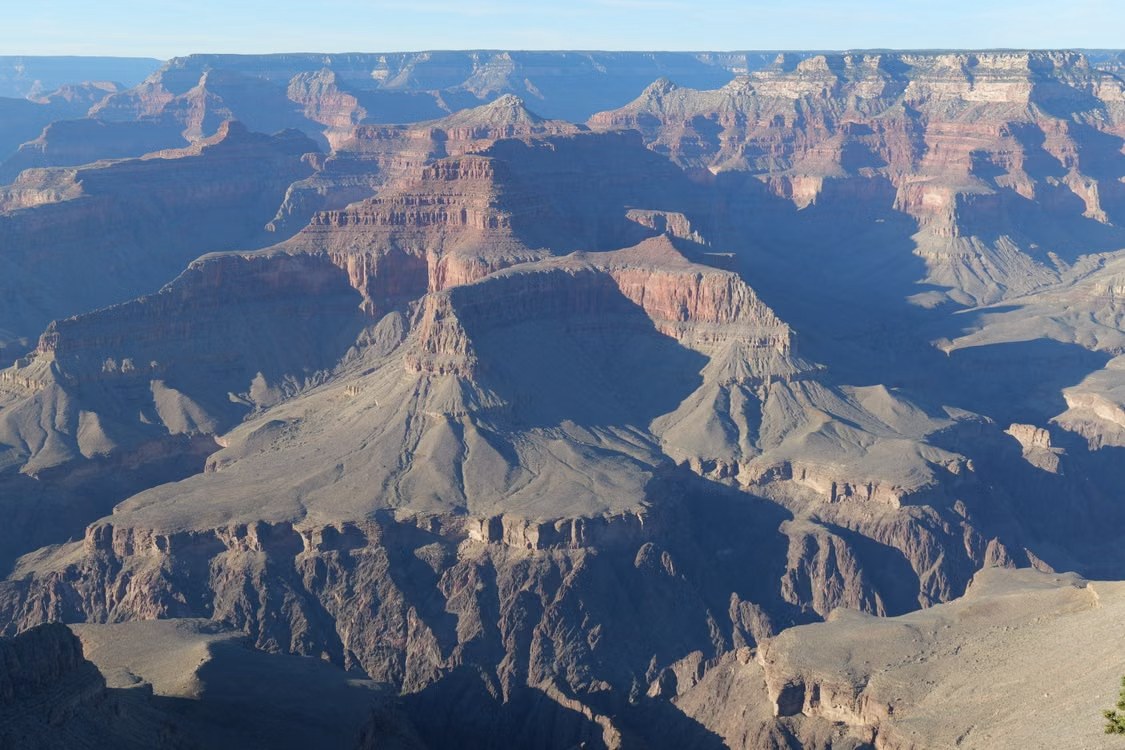
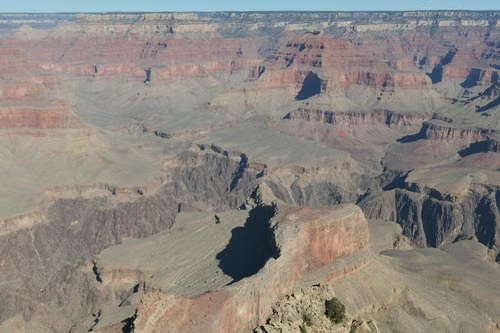
The Grand Canyon is closer to Phoenix than most visitors think - about three and a half hours to the South Rim. That makes a day trip entirely doable, if you plan it well.
Start early
Leave Phoenix by 7am to beat traffic and reach the rim with the morning light still soft. An early start also leaves room for a stop in Sedona without rushing the canyon itself.
Consider a private chauffeur
Seven hours of round-trip driving is a lot to add to a big day of sightseeing. A private chauffeured SUV or Sprinter turns the drive into part of the experience - you watch the desert change, take photos, and arrive rested instead of road-weary.
Pack for the rim
The South Rim sits above 7,000 feet, so it is cooler than Phoenix year-round and cold in winter. Bring layers, water, and sun protection regardless of the season.
Done right, you can leave Phoenix after breakfast, spend unhurried hours at one of the wonders of the world, and still be back in the Valley for dinner.
The trip
A full day, entirely handled.
Door-to-rim pickup
We collect you from any Phoenix, Scottsdale, or PV address - no meeting points.
Private luxury vehicle
A dedicated SUV or Sprinter for your group alone, with a professional chauffeur.
Sedona stop
Add a red-rock photo stop in Sedona on the way up or back.
Time at the South Rim
Several unhurried hours at the rim while your chauffeur waits.
Water & comfort
Chilled water and a clean, comfortable cabin for the round trip.
No clock anxiety
A flat, all-in price for the day - the itinerary is yours.
The drive
The drive north, made effortless.
The route from Phoenix climbs north on the I-17 through the high desert toward Flagstaff, then west to the South Rim, roughly 230 miles and three and a half hours each way. It is a genuinely beautiful drive, and from the back seat you get to enjoy it, watching the saguaros give way to ponderosa pine as the elevation climbs past 7,000 feet at the rim.
Because the South Rim sits about a mile higher than Phoenix, it runs 20 to 30 degrees cooler and can see snow in winter, so we keep the cabin comfortable and remind you to pack a layer. Popular add-ons include a red-rock stop in Sedona, the historic mining town of Jerome, and the wineries of the Verde Valley, and we can build the day around sunrise or sunset at the rim.
How long is the Grand Canyon trip from Phoenix?
Plan on a full day - roughly 3.5 hours each way plus your time at the rim. Most guests are out 10 to 12 hours, door to door.
Which vehicle is used?
A luxury SUV for smaller parties or a Mercedes Sprinter for larger groups. Your choice at booking, with room for coolers and gear.
Can we add Sedona or other stops?
Yes - Sedona is our most popular add-on, and Jerome, Montezuma Castle, and Verde Valley wineries are all options. The day is fully customizable.
When is the best time of year to go?
The South Rim is open year-round. Spring and fall are ideal; summer is warm but far cooler than the Valley; winter can bring snow and dramatic views.
What should we bring?
Comfortable shoes, sunscreen, a camera, and a warm layer - the rim is much cooler and windier than Phoenix. We provide chilled bottled water.
Can you pick us up from a Scottsdale or Paradise Valley resort?
Yes. We pick up door-to-door from any Phoenix, Scottsdale, Paradise Valley, or Valley hotel or residence - no meeting points.
Also from Phoenix
More days out, and the Valley.
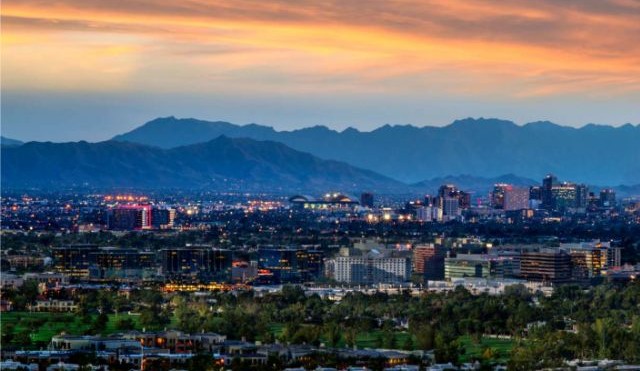 AreaPhoenixDowntown, Biltmore, Arcadia, Ahwatukee, Desert Ridge and North Phoenix.Book in Phoenix
  AreaScottsdaleOld Town, North Scottsdale, Kierland, DC Ranch, Silverleaf and Troon North.Book in Scottsdale
 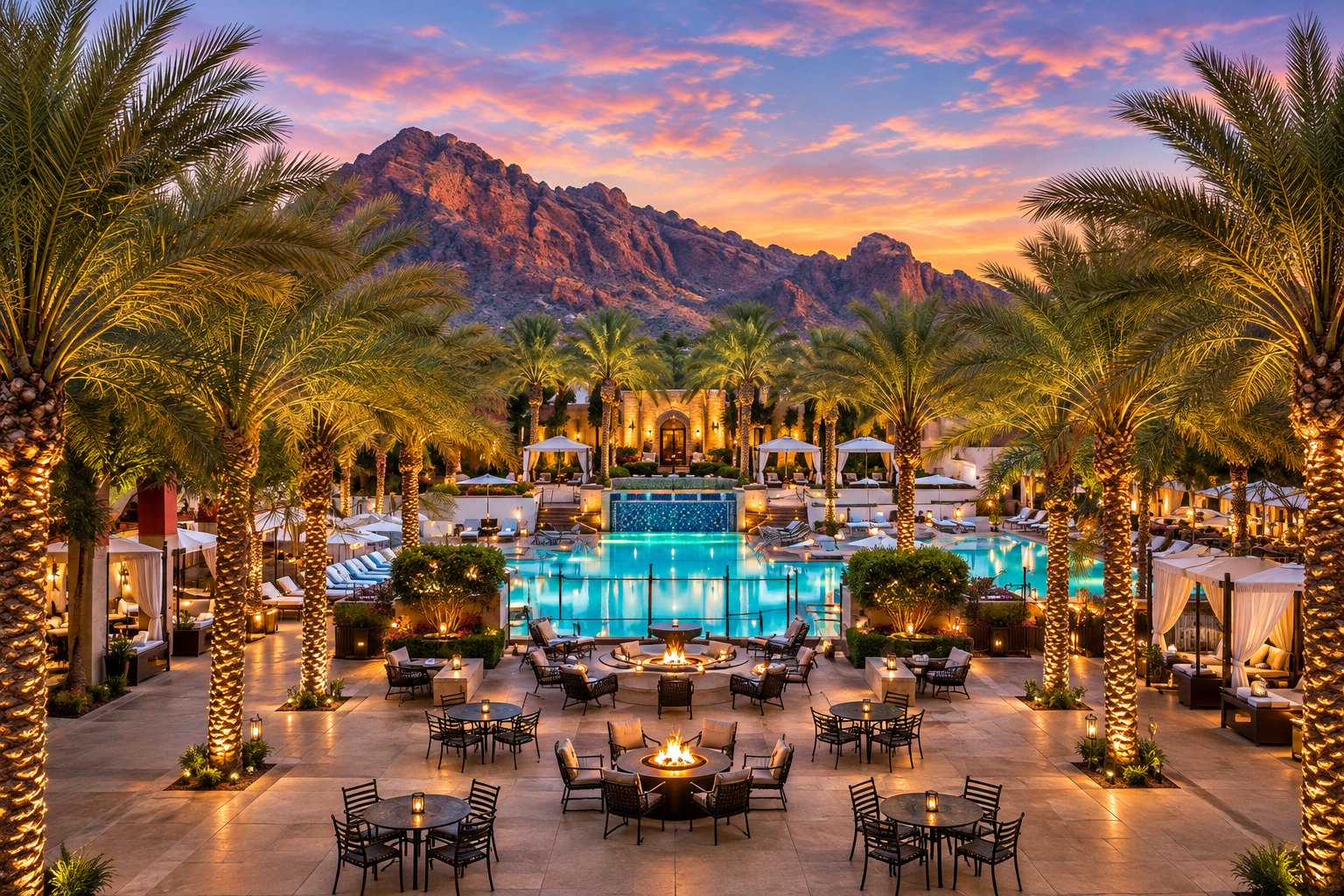 AreaParadise ValleyThe resort corridor, Camelback and Mummy Mountain.Book in Paradise Valley
 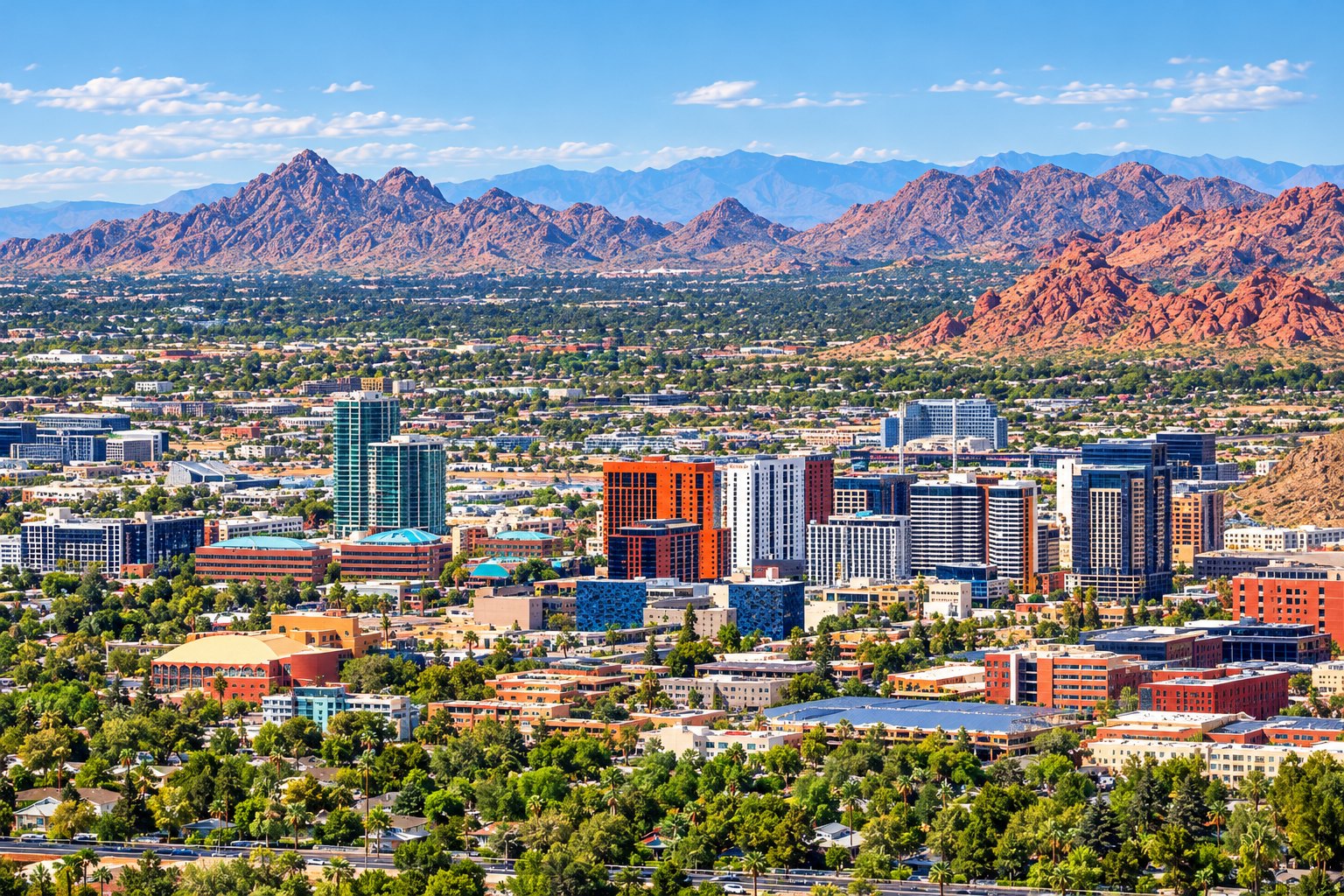 AreaTempeASU, Mill Avenue, Tempe Town Lake and Sun Devil Stadium.Book in Tempe
 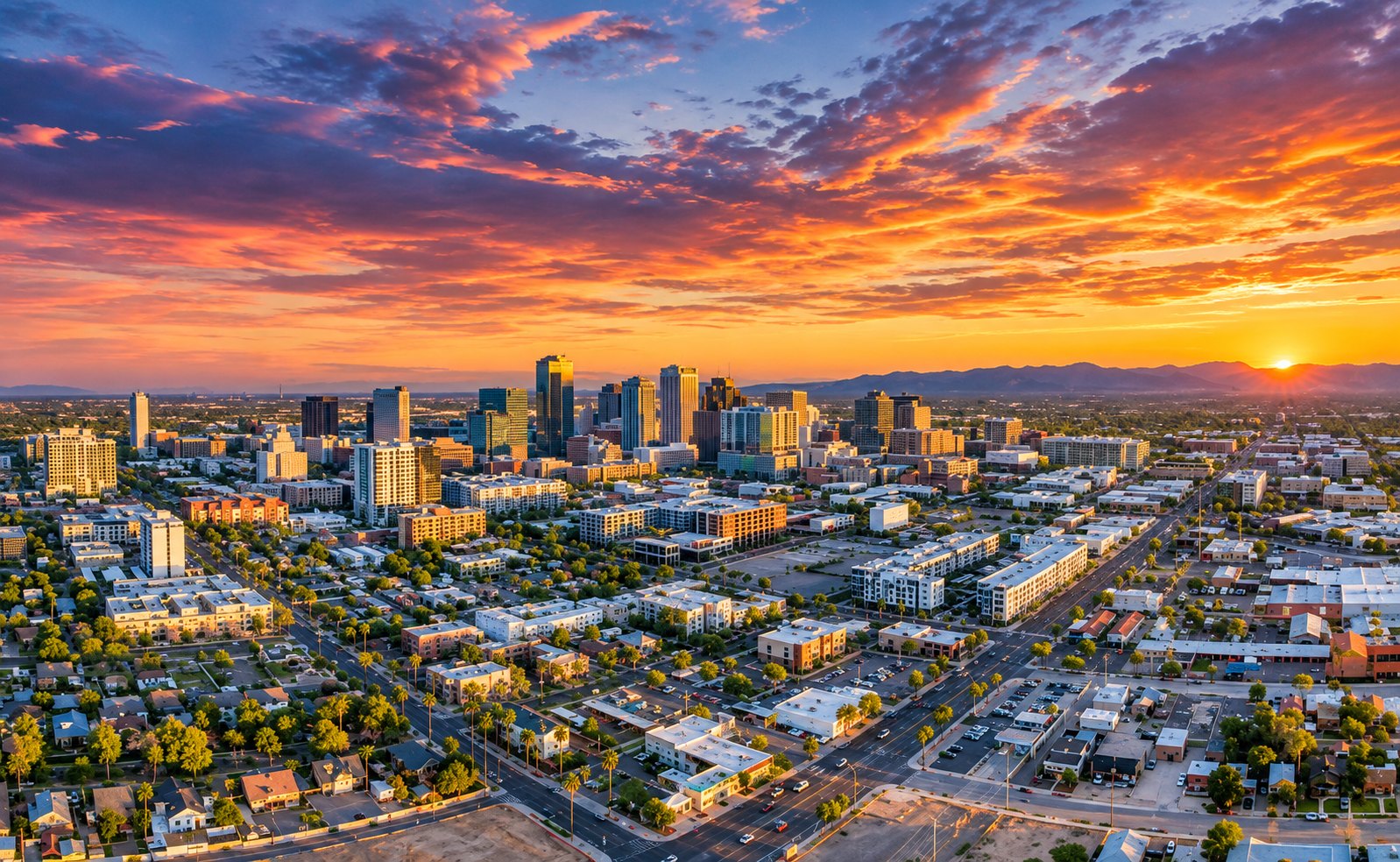 AreaMesaGateway Airport, Falcon Field, spring training and the east Valley.Book in Mesa
 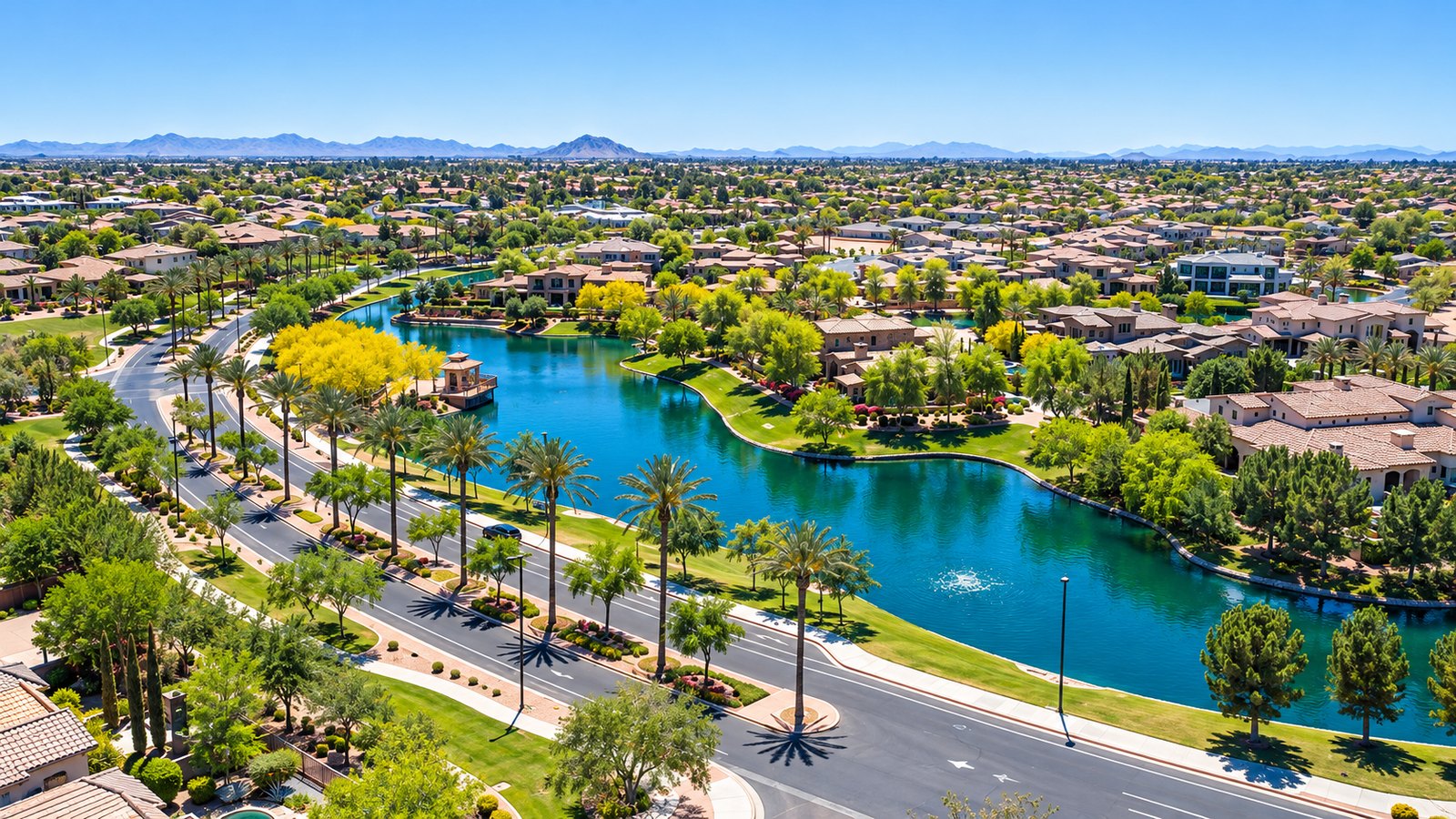 AreaChandlerThe Price Road corridor, Ocotillo and downtown Chandler.Book in Chandler
 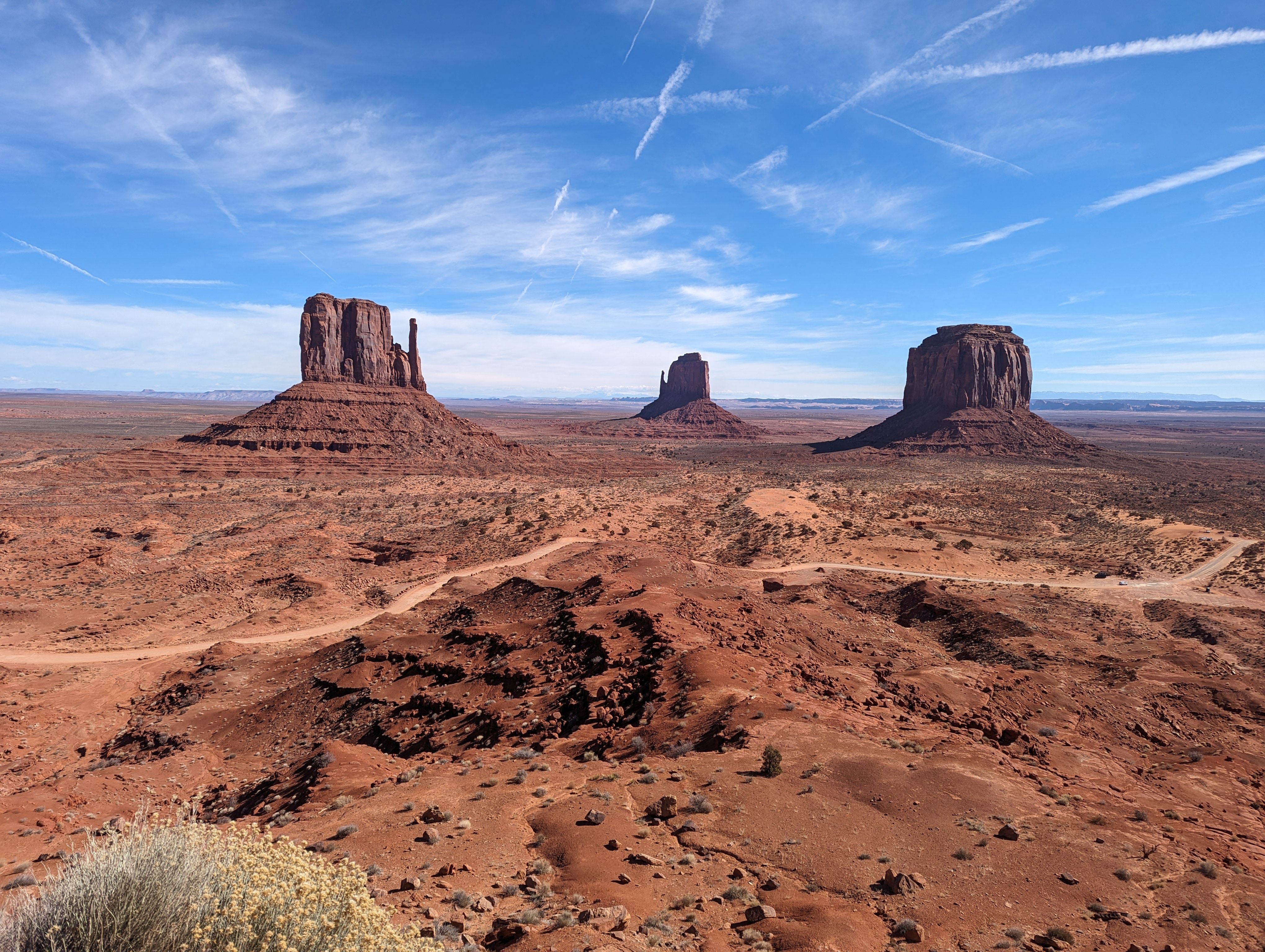 Day tripsArizona toursSedona, Antelope Canyon, wine country and days built around you.See the tours
 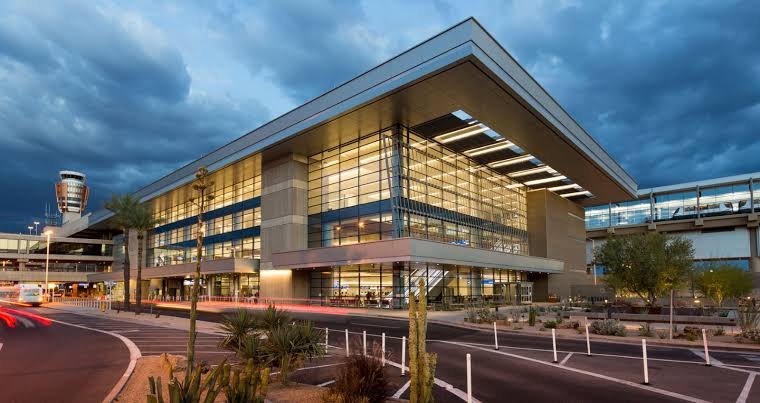 PHXSky Harbor International AirportTerminal 3 and Terminal 4, flight tracked.Airport car service